Archives
- 2026-10
- 2026-09
- 2026-08
- 2026-07
- 2026-06
- 2026-05
- 2026-04
- 2026-03
- 2026-02
- 2026-01
- 2025-12
- 2025-11
- 2025-10
- 2025-09
- 2025-03
- 2025-02
- 2025-01
- 2024-12
- 2024-11
- 2024-10
- 2024-09
- 2024-08
- 2024-07
- 2024-06
- 2024-05
- 2024-04
- 2024-03
- 2024-02
- 2024-01
- 2023-12
- 2023-11
- 2023-10
- 2023-09
- 2023-08
- 2023-07
- 2023-06
- 2023-05
- 2023-04
- 2023-03
- 2023-02
- 2023-01
- 2022-12
- 2022-11
- 2022-10
- 2022-09
- 2022-08
- 2022-07
- 2022-06
- 2022-05
- 2022-04
- 2022-03
- 2022-02
- 2022-01
IFN-alpha 1, human recombinant protein Human immunodeficienc
2022-08-17

Human immunodeficiency virus type 1 (HIV-1) is responsible for the IFN-alpha 1, human recombinant protein pandemic; notification is compulsory in Brazilian blood banks since 1988. From 1980 to 2016, the Brazilian MH reported 882,810 HIV/AIDS cases, with 52.3% in the southeast region. HIV/HCV co-in
Haploid germ cell specific nuclear protein kinase
2022-08-17
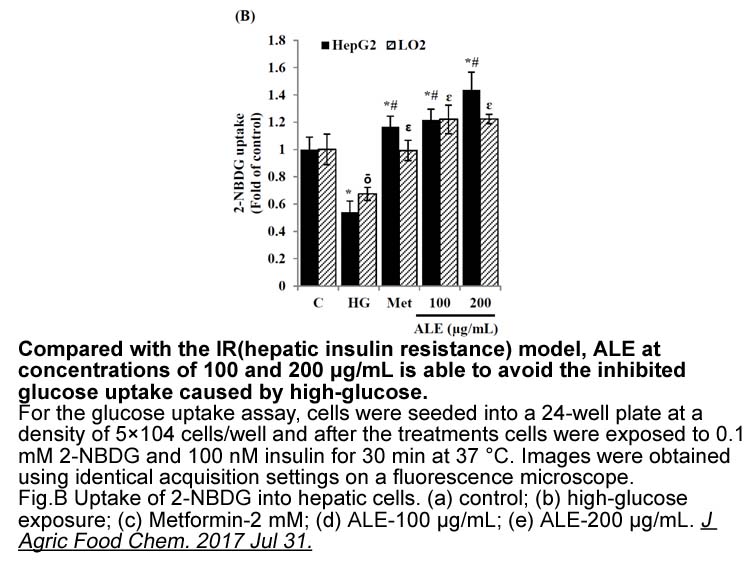
Haploid germ cell-specific nuclear protein kinase (Haspin) proteins are divergent members of the eukaryotic protein kinase family. Haspin (encoded by germ cell-specific gene 2: Gsg2) is found in many eukaryotic lineages (animal, fungi, and plants), and the protein and its mRNA were initially detecte
Activation of sGC induces the generation of cyclic guanosine
2022-08-17
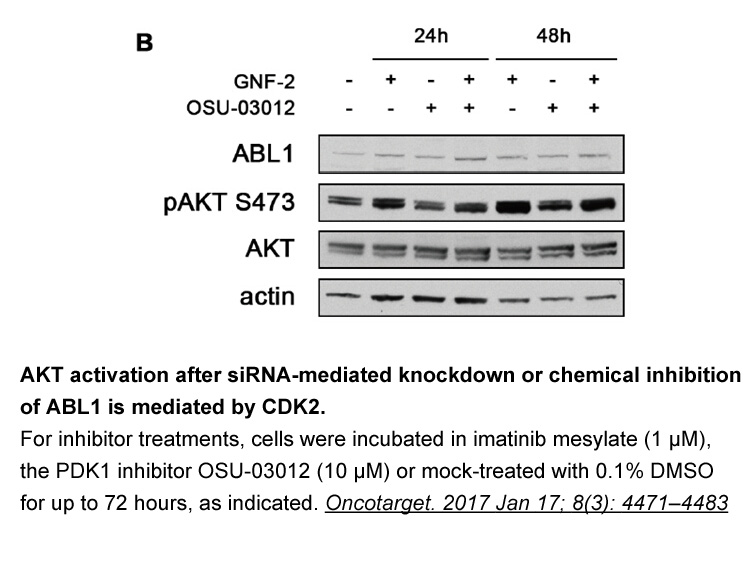
Activation of sGC induces the generation of cyclic guanosine monophosphate (cGMP), phosphorylation of protein kinase G (PKG) and changes in activity of effector proteins such as phosphodiesterases (PDE), ion channels and ion pumps [43]. This pathway eventually leads to dilation of 98059 australia (b
br Disclosure summary br Acknowledgments br
2022-08-17
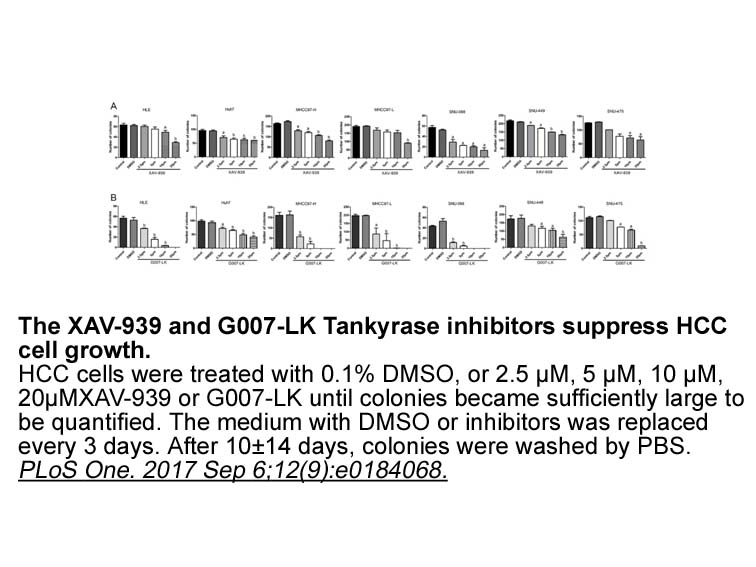
Disclosure summary Acknowledgments Introduction Symbionts are live microorganisms that seem to promote host defense systems and regulate intestinal homeostasis, preventing gut infectious and inflammatory diseases (Fuller, 1989, Sartor, 2004). Numerous studies have shown the beneficial effec
GLP is an intestinal peptide hormone that is released by
2022-08-17
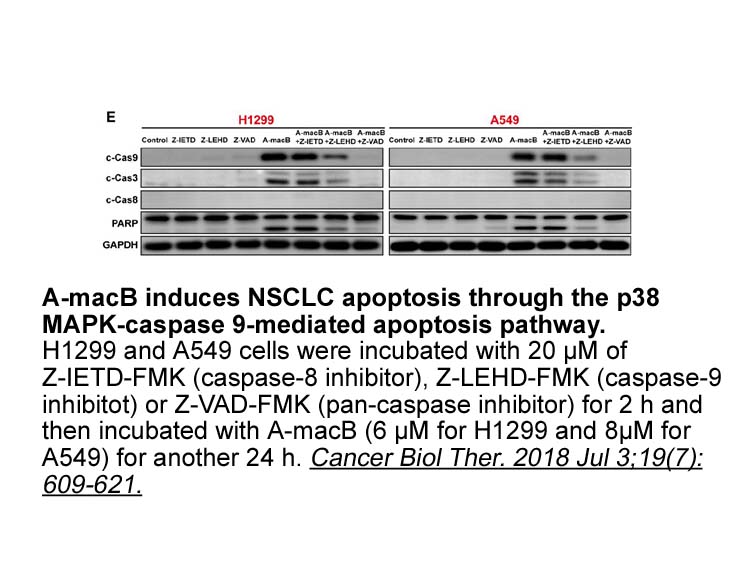
GLP-1 is an intestinal peptide hormone that is released by the gut following ingestion of food, particularly ck2 inhibitor and fats. Following its release, GLP-1 stimulates pancreatic β-cells to secrete insulin (Hirasawa et al., 2005, Covington et al., 2006). Originally, GLP-1 acted in a similar ma
The global spread and ever increasing incidence
2022-08-17
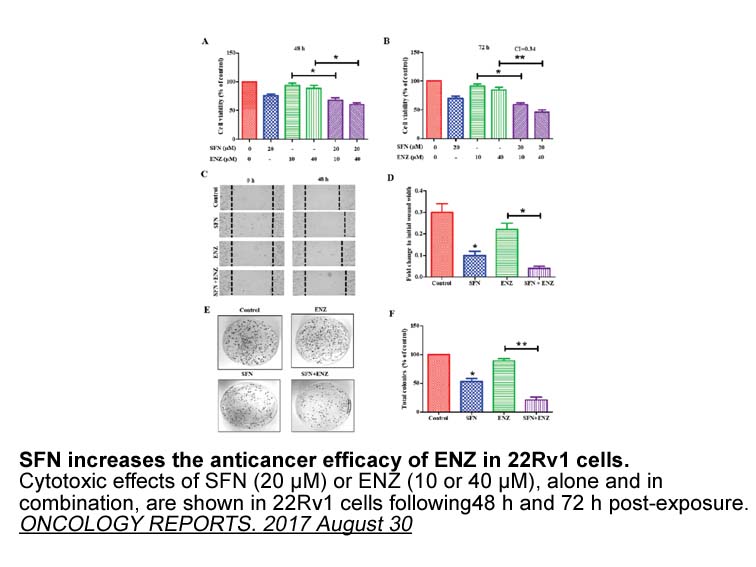
The global spread and ever-increasing incidence of metabolic syndrome over the past few decades has not only categorized it as an ‘epidemic’ but has also dramatically increased the risk of cardiovascular diseases and diabetes. The increase in prevalence of diabetes in the United States alone has bee
br Significant efforts are currently focused on non dopamine
2022-08-17
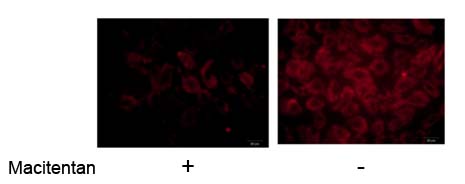
Significant efforts are currently focused on non-dopaminergic strategies to address the unmet medical needs in schizophrenia, and targeting -methyl--aspartate (NMDA) SBHA hypofunction has garnered a great deal of attention., , Elevation of synaptic glycine levels near NMDA-containing synapses, b
In contrast to short term effects
2022-08-17
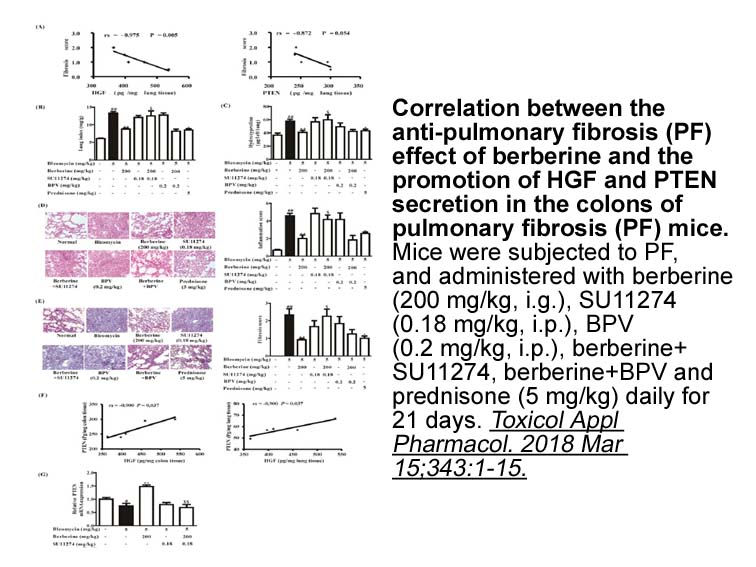
In contrast to short-term effects, long-term exposure of beta cells to FFAs impairs insulin secretion and triggers apoptosis [13]. The deleterious effects of FFAs have been linked to altered glucose/fatty L-Mimosine oxidation cycle [13], decreased NADPH content [14], endoplasmic reticulum (ER) stres
br Materials and methods br Results br
2022-08-17
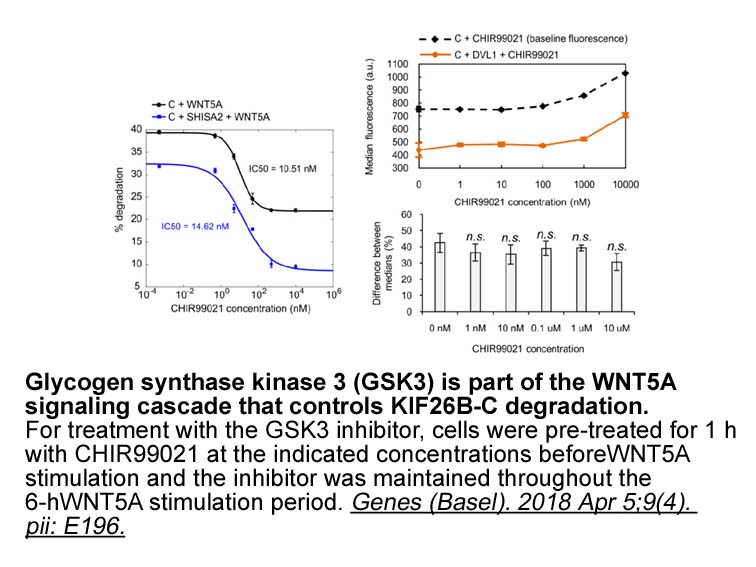
Materials and methods Results Discussion Defective regulation and inappropriate activation of the HH signaling pathway is implicated in many cancers. SMO targeting inhibitors were the first to enter clinical trials, however complications with acquired resistance and toxicity, also exemplifi
Tourette s syndrome TS is a
2022-08-16
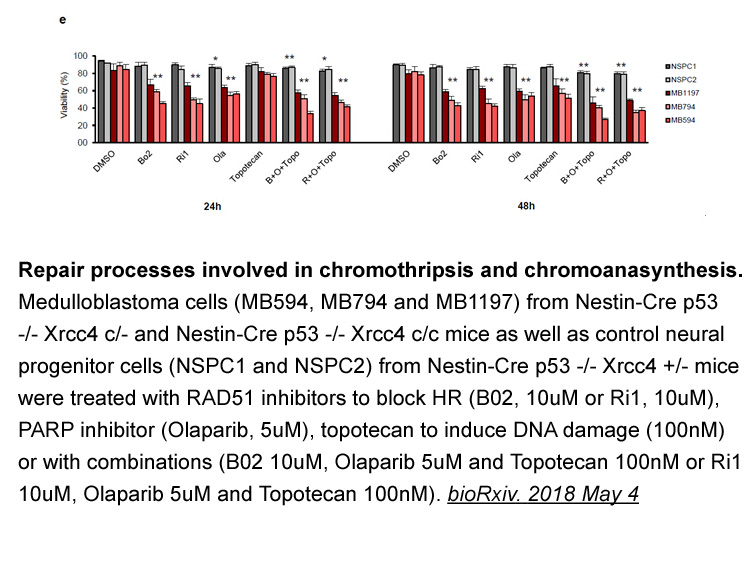
Tourette's syndrome (TS) is a neurobehavioral disorder characterized by chronic motor and vocal tics. The histaminergic system appears to be implicated in the pathophysiology of TS because H3R up-regulation has been observed in the striatum of HDC knock-out animal models (Rapanelli et al., 2017; Rap
Thus both in Drosophila and mammals the Hippo pathway
2022-08-16
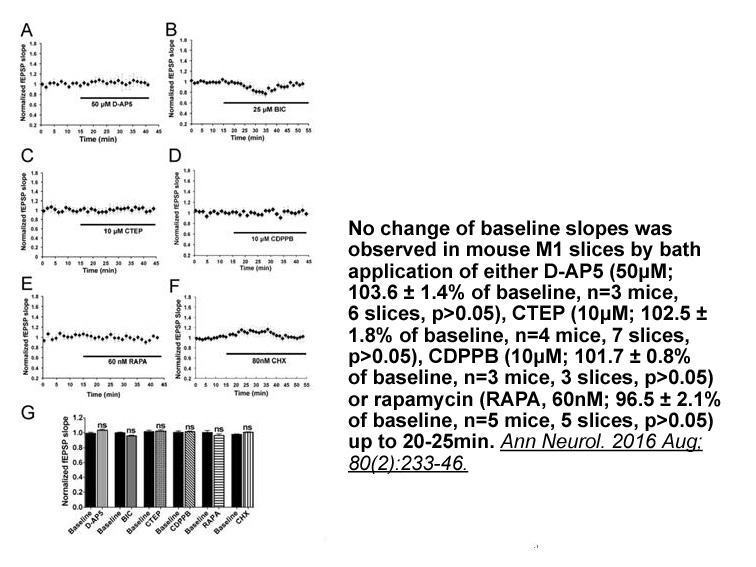
Thus, both in Drosophila and mammals, the Hippo pathway responds to cell–cell junctions via an apical NF2/Mer-containing complex. Indeed, Hippo signalling and NF2 are required for contact inhibition of growth in cell culture, which is thought to reflect an in vivo function as a sensor of tissue crow
The CRY protein contains a conserved photolyase homology reg
2022-08-16

The CRY1 protein contains a conserved photolyase homology region crucially involved in repression of CLOCK/BMAL1; a C-terminal helix also known as the predicted coiled coil (CC), which interacts with PER2 and FBXL3 in a mutually exclusive manner; and a C-terminal extension also referred to as the “t
SAR131675 synthesis Recently it has been found
2022-08-16
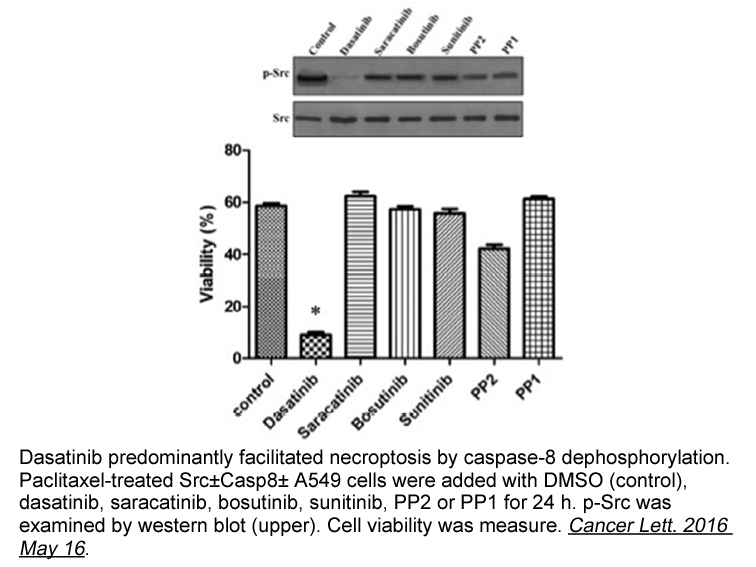
Recently, it has been found that treatment of human phagocytic SAR131675 synthesis or microvascular endothelial cells with NO donors inhibited the O2− generating capacity of NADPH oxidase [[8], [9], [10], [11]], which may involve down-regulation or S‑nitrosylation of the p47phox subunit (a cytosoli
Among RASs observed in patients from group
2022-08-16
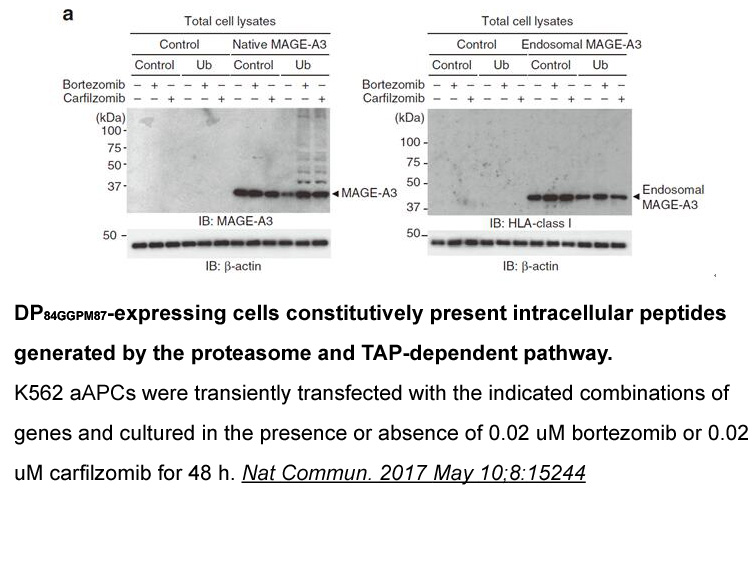
Among RASs observed in patients from group 2, RAS T54S was identified in one patient infected with subtype 1b. This mutation had been shown to cause resistance to boceprevir and telaprevir, but not to simeprevir [36]. This was confirmed here since this patient achieved SVR after 12 weeks of treatmen
The effect of microtubule inhibitors on
2022-08-16
The effect of microtubule inhibitors on HBV infection and replication were reported previously. In the study by Dr. Ai-Long Huang's group, microtubule inhibitors promoted HBV replication in Hep2.2.15 and HepG2-HBV1.1, in which HBV DNA is integrated into the chromosomal DNA (Xu et al., 2015). Integra
8112 records 410/541 page Previous Next First page 上5页 406407408409410 下5页 Last page